
The 2026 IRAN and USA War and AI Weapons Explained
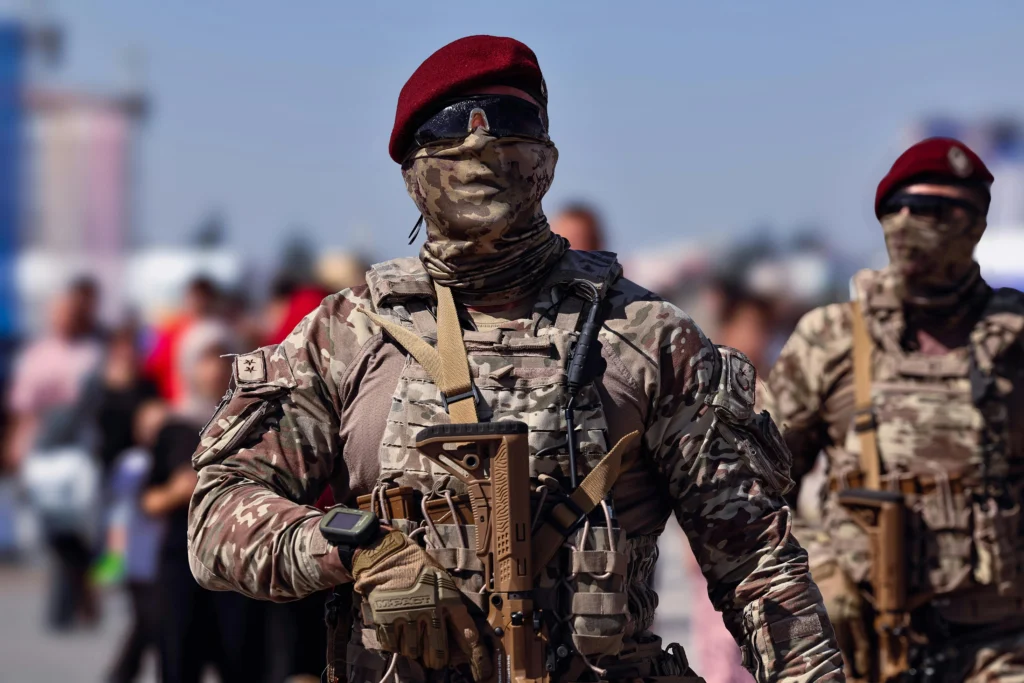
The war between Iran and the USA is different and creepy from any other war we have seen before. This war is showing us how artificial intelligence or AI for short is changing the way wars are fought. For the time in a big war machines are helping military leaders make decisions about who to attack and what to target. These machines can look at a lot of information plan attacks and even control drones that fly around and gather information. Even the experts of Artificial Intelligence is wonder by the results of AI in this war. AI played a crucial role on targeting the Supreme Leader of Iran (Ayatollah Khamenei).
This smart weapon influence a lot of concerns for the future of humans. Should we have to rely on non-emotional (robots) to affect humans around the world? What are the major consequences of trusting these machines? How will wars be fought in the future when machines can act faster than humans? The 2026 Iran War is giving us a look at these questions.
AI Role from the Start of the War
From the beginning of the war AI has been playing a big role. Systems like the Maven Smart System have been used to look at pictures from satellites videos from drones and secret messages that were intercepted. These AI systems can look at thousands of pictures in a few seconds find patterns and suggest which targets are the most important.
Even though human leaders make the decisions AI is giving them information much faster than any human team could. This has helped military forces act quickly and stay ahead of their enemies. For example AI has been used to:
* Look at pictures of troops moving around.
* Find weapons and military equipment.
* Decide which enemy locations to attack first.
In cases AI is not just a tool it has become a key partner in planning military attacks. Its speed and accuracy allow forces to respond to threats before humans could even understand what is happening.
How AI Targeting Works
AI systems that choose targets work by combining types of information to make recommendations. This includes:
* Pictures from satellites that show movement or unusual activity.
* Videos from drones that show what is happening on the battlefield in time.
* Secret messages, like intercepted communications or radar information.
By looking at all this information AI can find important targets quickly. We also know that AI changes the speed of tasks performed these days. It makes humans very fast then before. This speed is also very important because delays can cause loss of lives.
However speed also comes with risks. AI systems are only as good as the information they use. If the information is old, incomplete or incorrect AI can make mistakes. The best example of this is happened with little School children’s of Iran, the AI powered Missile hit the Minab School in Iran and Israel made a lame excuse saying it is hit mistakenly due to the issue in our AI system.
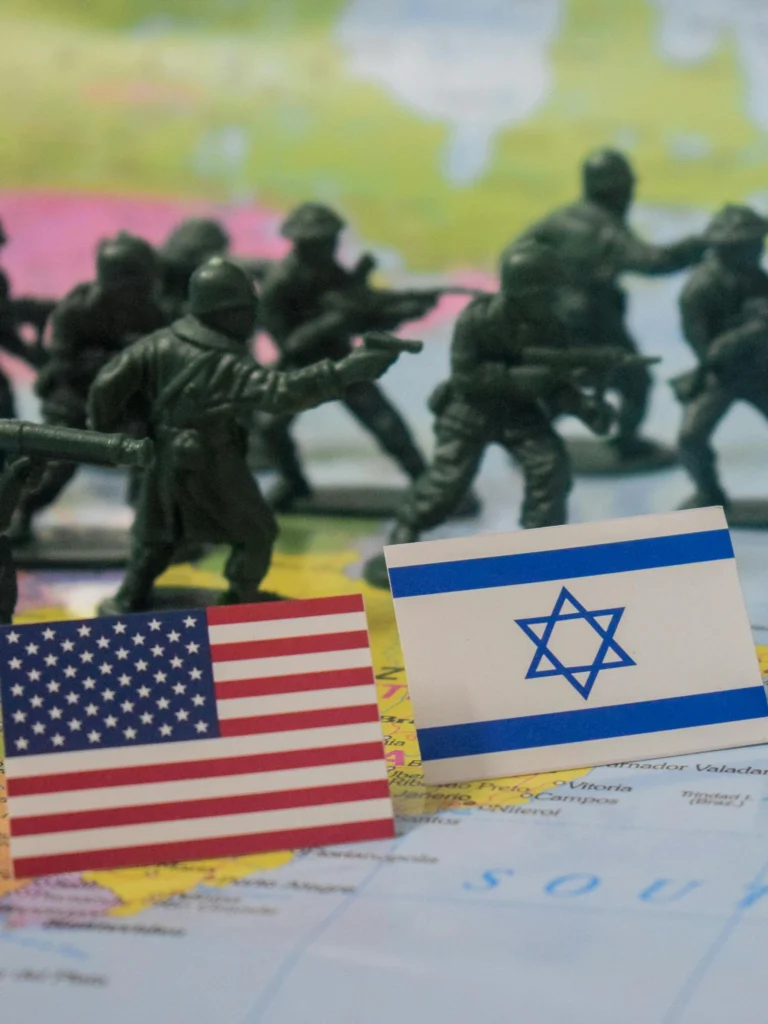
Why Militaries Use AI in War
Wars produce too much information for humans to handle on their own. Satellites, drones, sensors on the battlefield and communication networks all produce an amount of information. AI helps by sorting through this information finding patterns and highlighting the most important points.
AI is also used to predict what might happen next. It can estimate where enemy forces might move, which areas are at the risk or which targets are the most important. This allows military planners to act before threats become problems. In the 2026 Iran War AI has helped:
* Track enemy troop movements across areas.
* Find military bases or weapons caches.
* Predict attacks and prepare defenses.
These abilities give militaries an advantage. They can make faster informed decisions than their opponents who rely mostly on humans to analyze information.
AI in Cyber and Information Warfare
AI is not used for physical attacks. It also plays a role in cyber operations and information warfare. Both sides in the 2026 Iran War have used AI to attack computer networks steal information and spread information.
Some examples include:
* generated content that spreads false information or confuses the public.
* Hacking attacks on communication networks or data centers.
* Protecting systems from enemy cyber-attacks.
AI can analyze an amount of information online find patterns in cyber threats and respond faster than humans. In cases these AI tools decide which networks or systems to attack first. This shows that the battlefield now includes not land, air and sea but also digital space.
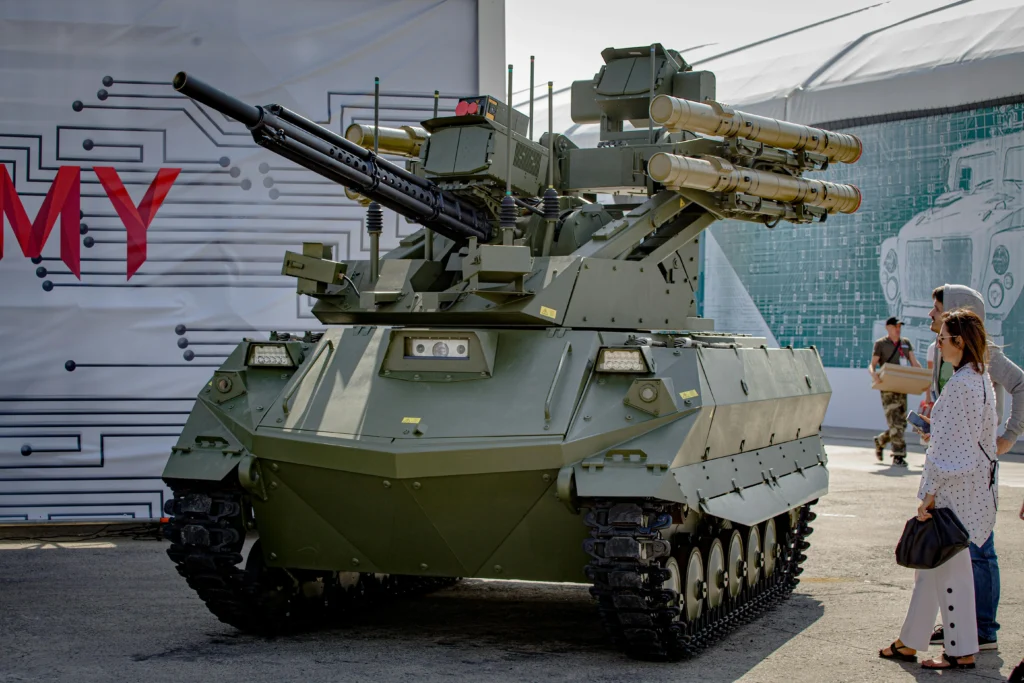
Ethical Concerns of AI in Warfare
Using AI in war raises ethical questions. Fast machine-made decisions can reduce the role of humans in judging the consequences of their actions. Mistakes can be deadly especially when civilians are nearby.
Many experts argue that humans must always stay in control of AI-assisted operations. Even if AI suggests a target a person should approve it before any action is taken. Governments and international organizations are discussing rules for AI in warfare to reduce mistakes and protect civilians.
Another ethical concern is accountability. If AI makes a mistake who’s responsible? The military leader? The AI developers?. The AI system itself? These questions are new and challenging for laws and rules about war.
Real-Life Examples from the Iran War
The 2026 Iran War has shown real cases where AI has affected the outcome:
* AI-controlled drones have performed reconnaissance missions that previously would have required large human teams.
* AI has helped detect weapons and supply depots from satellite pictures.
* Cyber operations powered by AI have disrupted communications. Created confusion among enemy forces.
While these examples show the advantages of AI they also highlight the risks. A single mistake by an AI system can result in deaths or escalation of conflict. This makes careful oversight essential.

The Future of AI in Warfare
The 2026 Iran War is teaching the world how AI can change strategy. Countries around the globe are watching to see how AI performs in combat. This war may set standards for using AI in future conflicts.
AI is making wars faster, precise and more complex. It affects attacks, cyber operations and information campaigns.. It also raises risks. The line between control and machine decisions is becoming less clear.
One thing is certain: AI is no longer a tool in war. It is shaping how wars are fought how strategies are planned and how decisions are made. This conflict shows that the future of warfare will be a partnership between humans and machines.. The balance of control will be crucial.
CONCLUSION
The 2026 Iran War shows how deeply AI is transforming warfare. From analyzing satellite pictures to controlling drones and cyber-attacks AI systems are speeding up decisions and increasing efficiency.. With this power comes risk. Mistakes can happen, ethical dilemmas. The responsibility for life-or-death choices becomes more complicated.
As AI continues to grow in use it is important for humans to remain in control and for rules to be established to protect civilians. The lessons learned from this conflict will shape not future wars but also international standards for AI in combat. The 2026 Iran War proves that while machines can help fight wars, human judgment and oversight are still more important, than ever.
FAQ’S
1. What is the role of Artificial Intelligence in the 2026 Iran War?
Artificial Intelligence is helping military leaders look at a lot of data from satellites, drones and communications. Artificial Intelligence suggests which targets are the important it predicts what the enemy will do and it even controls drones, which makes decisions on the battlefield faster than humans can.
2. Can Artificial Intelligence make mistakes when choosing targets?
Yes it can. Artificial Intelligence systems rely on the data they have. If that data is old, incomplete or just wrong mistakes can happen. There was a sad example of this in Minab, Iran, where a missile controlled by Artificial Intelligence hit a school by mistake.
3. Who is to blame if Artificial Intelligence makes a mistake?
It is not easy to say. The responsibility could be with the leaders, the people who developed the Artificial Intelligence or maybe both. This is one of the problems with using Artificial Intelligence in war.
4. Is Artificial Intelligence only used for attacks with weapons?
No it is not. Artificial Intelligence is also used in cyber warfare like hacking into computers protecting networks stealing information and spreading information online. Now the battlefield is not on land in the air or at sea but also in digital space.
5. Does Artificial Intelligence replace humans when making decisions?
Not completely. Human leaders still have to approve attacks. Artificial Intelligence gives them important information, predictions and suggestions to help them make decisions faster. The way humans and machines work together is very important in warfare.
6. What are the concerns about Artificial Intelligence in war?
When machines make decisions quickly it can reduce the judgment of humans. Mistakes can kill people and it is not clear who is responsible for what happens. There is also concern about using machines that do not have emotions to make decisions that affect life and death.
7. How will Artificial Intelligence change wars?
The 2026 Iran War shows that Artificial Intelligence will change the way wars are fought how fast they happen and how precise they are. Militaries around the world are learning from this war to find a balance between having humans oversee things and using machines efficiently. Artificial Intelligence will play a role in shaping the future of war and the use of Artificial Intelligence, in the 2026 Iran War is a good example of this.